
granny flat builders Designing Smart Secondary Dwellings for Modern Living
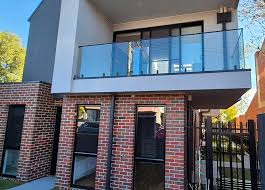
Building a granny flat is an increasingly popular way to add value, flexibility, and usable living space to a residential property. For homeowners considering a compact secondary dwelling, understanding how experienced granny flat builders approach planning, design, and construction can make the difference between a stressful project and a seamless, rewarding outcome. If you are researching specialists or seeking inspiration, consider reputable sources and portfolios such as granny flat builders https://www.prevailinghomes.com.au/ to see examples of modern, efficient granny flat projects and professional service approaches.
Granny flat builders specialize in creating independent yet connected living units—also called secondary suites, backyard cottages, or accessory dwelling units (ADUs). These units can serve multiple purposes: housing for aging relatives, rental income, a private studio, home office, or a guest suite. Builders with experience in this niche are familiar with the typical constraints such as limited site area, council regulations, and the need for flexible, space-saving design solutions.
One of the first advantages of hiring dedicated granny flat builders is their knowledge of local planning and compliance requirements. Regulations governing setbacks, maximum floor area, height limits, and permissible uses vary by municipality. Experienced builders often maintain strong relationships with surveyors, planners, and certifiers, which accelerates approvals and reduces the likelihood of costly design revisions. They can advise on the most efficient layout that satisfies both functional needs and regulatory constraints.
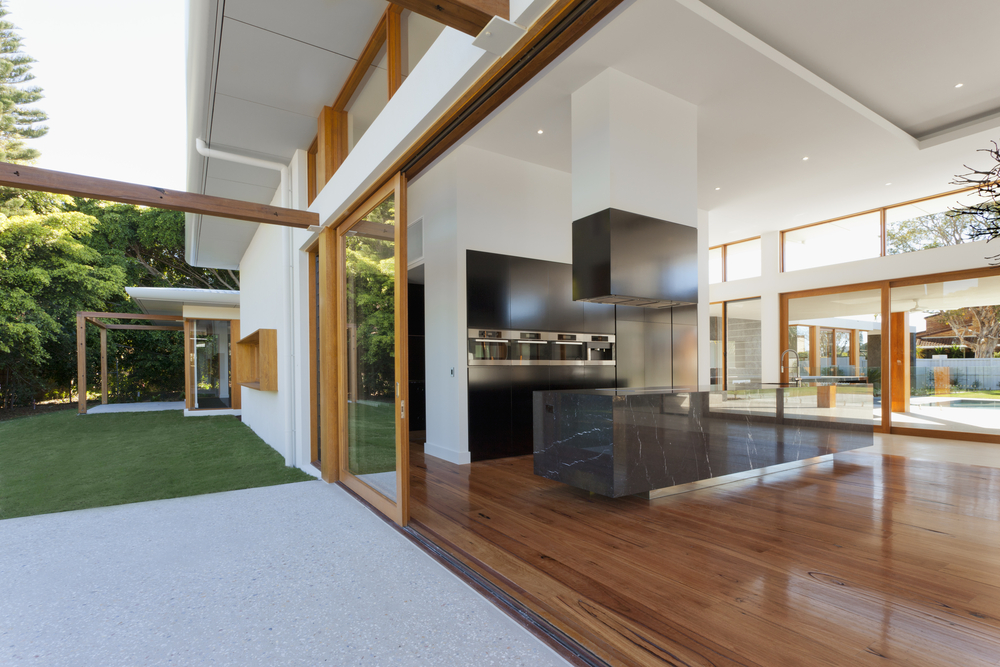
Designing a granny flat requires a careful balance between compactness and liveability. Skilled builders collaborate with designers or have in-house design teams to optimize natural light, ventilation, and storage. Open-plan living areas that integrate kitchen, dining, and lounge spaces make small footprints feel larger. Clever solutions like built-in storage, murphy beds, and multipurpose furniture help maximize practical use. Material choices and finishes can amplify the sense of space—light-toned surfaces, well-placed mirrors, and consistent flooring visually expand the interior.
Energy efficiency and sustainability are important considerations for modern granny flat projects. Many builders now include energy-efficient windows, high-quality insulation, and LED lighting as standard. Orientation and shading strategies are considered early in the design to minimize energy use for heating and cooling. Rainwater harvesting, solar panels, and water-efficient fixtures are increasingly popular upgrades that can reduce long-term running costs and improve environmental performance.
Cost is a major decision driver for homeowners. The overall price of a granny flat depends on factors such as the size, level of finish, site conditions, and whether services like sewer, water, and power are readily accessible. Builders provide detailed quotes that break down hard construction costs, consultant fees, and allowances for fixtures and finishes. Transparent cost estimates from reputable builders help homeowners weigh options such as prefabricated modules versus traditional on-site construction. Prefab options often reduce build time and deliver consistent quality, but site-built designs can be more flexible for irregular blocks or bespoke finishes.
Timelines for granny flat projects can vary widely. A typical process includes site assessment, design and documentation, council approval or private certifier sign-off, construction, and final inspection. Experienced builders create realistic project schedules and communicate dependencies clearly—weather delays, supply chain issues, or unexpected ground conditions can extend timelines, and professionals are better prepared to manage these risks proactively.
Choosing the right granny flat builder means evaluating portfolios, visiting completed projects where possible, and reading client reviews. Request detailed references, examples of floor plans, and clarity on who will manage the project on site. Contracts should explicitly state scope, inclusions and exclusions, payment terms, warranties, and dispute resolution processes. Check that the builder is licensed and insured, and inquire about the warranty period and how defects are handled post-handover.
Interior and exterior finishes significantly impact both the immediate appeal and long-term value of a granny flat. Neutral, durable finishes are often the wisest investment for rental or resale potential. Kitchens and bathrooms are small but essential spaces; investing in quality joinery, fittings, and water-resistant surfaces yields good returns. Externally, landscaping and privacy features such as screening, pergolas, or small decks create outdoor extensions of living space that are attractive to occupants and prospective renters.
Financing a granny flat can take several forms: using equity from the main property, a short-term construction loan, or tapping into government grants and incentives where available. Financial planning should include accurate estimates for ongoing operational costs—utilities, insurance, and maintenance—especially if the unit will be rented. Assessment of rental yield and payback period helps homeowners decide on the level of upfront investment and the expected return on investment.
Accessibility and universal design are important if the granny flat will serve elderly occupants or people with mobility needs. Builders experienced in adaptable housing can integrate wider doorways, step-free access, grab rails, and accessible bathroom layouts without compromising aesthetics. Thoughtful design can ensure longevity of use and increase the attractiveness of the property to a broader audience.
Communication is a hallmark of good granny flat builders. Regular updates, clear milestones, and a single point of contact reduce stress and prevent misunderstandings. Builders who offer staged walkthroughs and welcome feedback during construction usually produce outcomes that align more closely with client expectations. After handover, a supportive warranty and responsive aftercare maintain client satisfaction and build strong reputations in the community.
Building a granny flat is an investment in both property value and lifestyle flexibility. Whether used for family, rental income, or a creative studio, a well-designed granny flat enhances functionality and appeal. Selecting a builder with proven experience, transparent processes, and strong local knowledge is essential for a smooth project from conception to completion. By prioritizing thoughtful design, compliance expertise, and clear communication, homeowners can achieve a secondary dwelling that meets their immediate needs and stands the test of time.
In summary, the right team of granny flat builders will guide you from initial feasibility through to the finished dwelling, helping navigate approvals, optimize design, manage costs, and deliver a comfortable, efficient space that complements your main residence. Proper planning and a collaborative relationship with your builder will maximize the benefits of adding a granny flat to your property.